What Is Dyslexia? Why Understanding Dyslexia Changes Everything
If you’ve ever watched your child struggle to read a word you know they should recognize, or
you’ve seen the frustration build, the confidence slip, or the tears come…
You’re not alone.
So many parents have heard the word dyslexia, but few truly understand what it means. I know I didn’t at first. Because of that, I didn’t recognize what was right in front of me. I didn’t even think to ask if dyslexia could be part of my child’s story.
And maybe that’s where you are, too.
Before we can ask “Could this be dyslexia?” we need to understand what dyslexia actually is, clearly, simply, and without fear.
The Way the Brain Processes Learning
I need you to know that dyslexia is not about laziness, lack of effort, or low intelligence. It’s about how the brain processes language.
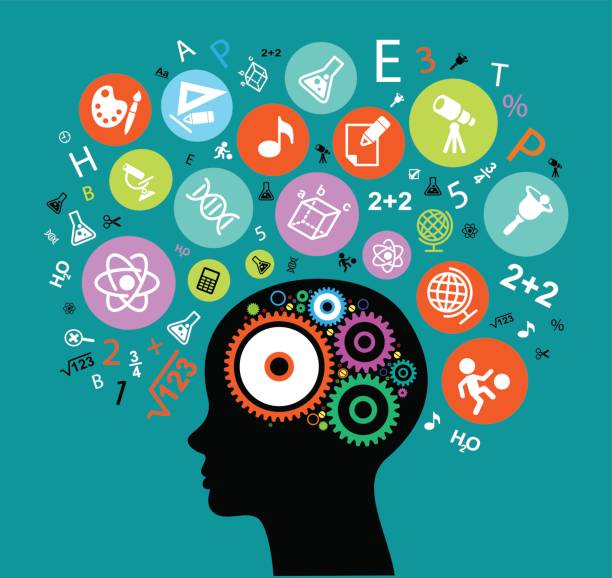
In a typical brain, information comes in through the senses; what we see, hear, and experience, and is processed in the brain’s language center on the left side. With repetition, that information is stored in a way that makes it easier to recognize words, sounds, and patterns over time.
But in a dyslexic brain, something different is happening.
The brain still receives information the same way, but storing and retrieving information isn’t as efficient. Instead of taking the most direct path, the brain often reroutes through other areas (including the right side).
This means:
Learning to read can take more time
Remembering words may require more repetition
Tasks that seem “simple” to others can feel exhausting
It’s not that the child can’t learn. It’s because the brain is working harder to get there.
And that matters.
Important Truths About Dyslexia
Here are a few things that every parent deserves to know:
Dyslexia has nothing to do with intelligence
It affects 5–20% of the population—your child is far from alone
It is often hereditary
It’s considered a hidden disability (you can’t “see” it)
And just as important, it comes with incredible strengths
Many dyslexic individuals are creative, innovative, and big-picture thinkers. There will be struggles, but there are also strengths.
What Does This Mean for You?
If you’re reading this and something is stirring in your heart, pay attention to that.
You don’t need to have all the answers today.
But understanding dyslexia is a powerful first step.
Learn. Ask questions. Trust what you’re noticing.
And if you see signs in your child, or even in yourself, reach out for support sooner rather than later. Knowing what you are dealing with brings clarity and relief. It replaces confusion with direction, and fear with hope.
Most importantly: You are not alone on this journey. And neither is your child.
_______________________________________________________________________________